Pregnancy is a beautiful journey, but it can also bring a few surprises you weren’t expecting. From changes in your veins to shifts in your sense of smell, your body is constantly adapting in ways you might not notice right away. In this article, you’ll learn 9 little-known ways your body can change during pregnancy so you feel informed, supported and prepared every step of the way.
1. Skin and Pigmentation Changes Can Show Up Suddenly
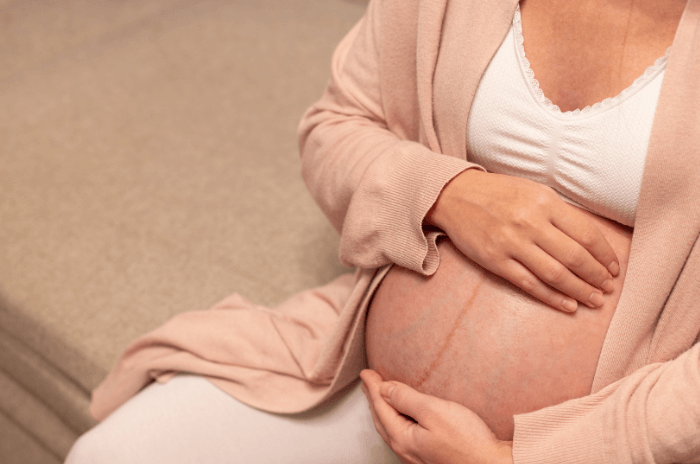
Your skin may start doing things you never experienced before, and often without much warning. Pregnancy hormones can trigger darkened patches of skin on your face, which are often called the “mask of pregnancy,” a darker line running down your belly or stretch marks as your body expands to make room for your baby. Using sunscreen, moisturizing regularly and being gentle with your skin can help you feel more comfortable and supported as your body changes in real time.
2. Vascular Changes You Might Not Expect
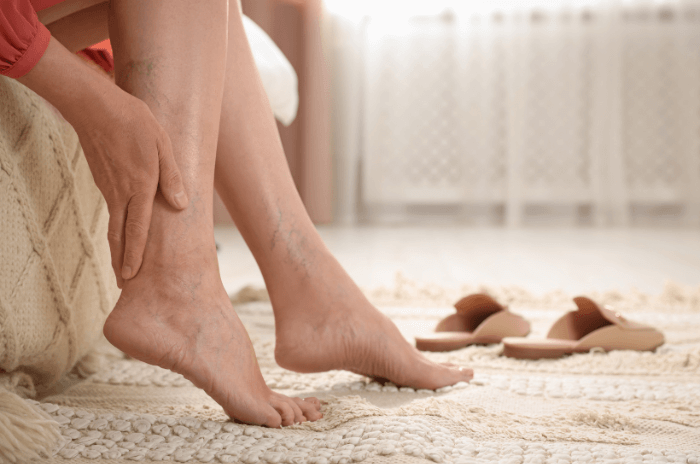
During pregnancy, your body increases blood volume to support your growing baby and that extra pressure can affect your veins. You may notice spider veins, or small visible veins, especially on your legs, ankles or even your face. These changes are incredibly common. The good news is that for many women, spider veins fade or improve in the months after delivery.
Gentle movement, elevating your legs and wearing compression stockings can help support healthy circulation. If you seek treatment for spider veins, it’s best to wait 6 to 8 weeks after delivery to give you time to fully recover.
3. Your Nose and Senses May Feel Extra Sensitive
If smells suddenly feel stronger or more overwhelming, you’re not imagining it. Pregnancy hormones can heighten your sense of smell, which may make everyday scents like food, perfume or cleaning products feel intense. Increased blood flow can also cause nasal congestion or occasional nosebleeds, even if you’ve never had them before. Staying hydrated, using a humidifier and avoiding strong scents when possible can help.
4. Digestive Changes Go Beyond Morning Sickness
Pregnancy can slow down digestion, which is why you might experience heartburn, bloating, gas or constipation even later in pregnancy. Hormones relax your digestive muscles and as your uterus grows, it can place extra pressure on your stomach and intestines. Eating smaller meals, avoiding lying down right after eating and choosing fiber-rich foods may help ease discomfort.
5. Your Hair and Nails May Act Differently Than Usual
You might notice your hair looking thicker or fuller during pregnancy, and that’s thanks to hormones keeping strands from shedding as they normally would. At the same time, your nails may grow faster or become brittle and prone to breaking. Both changes are common and usually temporary. After pregnancy, shedding can increase as hormone levels shift again.

6. Your Gums May Need Extra Attention
Pregnancy hormones can make your gums more sensitive, swollen or prone to bleeding, which is a condition often called pregnancy gingivitis. You may notice tenderness when brushing or flossing, even if you’ve never had dental issues before. Maintaining good oral hygiene is especially important during pregnancy. Brushing gently, flossing daily and keeping up with dental checkups can help protect your gum health.
7. Your Feet Might Change Size or Shape
It can come as a surprise, but pregnancy may actually change your feet. Increased body weight and relaxed ligaments can cause your feet to spread or flatten, sometimes making shoes feel tighter or uncomfortable. For some women, this change can be permanent. Wearing supportive footwear, avoiding high heels and giving your feet plenty of rest can help reduce discomfort.
8. Your Posture and Joints May Feel Different
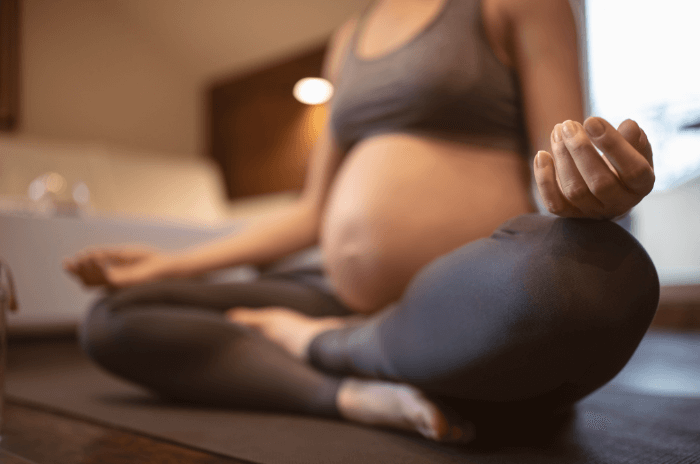
As your belly grows, your center of gravity shifts and your posture often follows. The hormone relaxin loosens your joints and ligaments to prepare your body for birth, which can lead to lower back pain, hip discomfort or a new way of walking. Gentle stretching, prenatal yoga and supportive shoes can help ease strain.
9. Your Emotions May Shift Along With Your Body
Pregnancy can also influence how you feel emotionally. Hormonal changes, fatigue and big life adjustments may cause mood swings, heightened emotions or moments of overwhelm. During these times, it’s great to remember that your body is experiencing a significant and miraculous change — be patient with yourself and take time to recenter if you can.
Pregnant Pauses, Powerful Changes
Your body goes through incredible changes during pregnancy — some expected, others surprising. While not every shift feels comfortable or welcome, each one plays a role in supporting new life. Being informed can help you feel more confident, compassionate toward yourself and empowered to ask for support when you need it. Your body is doing something truly remarkable.
ABOUT OUR CONTRIBUTOR:
Mia Barnes is a professional freelance writer and the Editor-in-Chief of Body+Mind. She has over 5+ years of experience researching and writing about family health and postpartum wellness. When she isn't writing, you can find Mia walking her dog or trying new recipes.