
Pregnancy has a way of changing almost everything.
Some changes are easy to expect. A growing bump, food cravings, maternity clothes suddenly becoming the best thing in the wardrobe, and endless conversations about baby names.
Others are far less obvious. Bleeding gums while brushing. Teeth that suddenly feel more sensitive.
For many expecting mums, these changes come as a surprise.
The good news is that they are also common. Pregnancy hormones can affect the teeth and gums in several ways, but with the right care, many oral health problems can be prevented or managed before they become more serious.
Looking after your smile might not be at the top of the pregnancy checklist, but it is another important way of looking after yourself during these busy months.
Why Pregnancy Changes Your Oral Health
Pregnancy brings remarkable changes to the body, and the mouth is no exception.
As hormone levels rise, particularly oestrogen and progesterone, the gums become more sensitive and receive increased blood flow. This makes them more likely to become swollen, tender, or bleed during brushing and flossing.
This condition, often referred to as pregnancy gingivitis, affects many women and usually develops during the second trimester.
Although bleeding gums can be common during pregnancy, they shouldn't simply be ignored. Without good oral hygiene, inflammation can worsen over time and increase the risk of more serious gum disease.
Pregnancy can also influence everyday habits that affect oral health. Morning sickness, changing food preferences, frequent snacking, and fatigue all make it easier for dental problems to develop. After all, brushing your teeth isn't always the first thing on your mind when you're feeling nauseous or exhausted.
That's completely understandable. The important thing is recognising these changes early and making small adjustments that help protect your teeth and gums throughout pregnancy.
Morning Sickness Can Affect More Than Your Stomach
Morning sickness is one of the most talked-about parts of pregnancy, but many women don't realise it can also affect their teeth.
When vomiting occurs, stomach acid comes into contact with tooth enamel. Repeated exposure can gradually weaken the enamel, making teeth more sensitive and increasing the risk of erosion.
One common mistake is brushing immediately afterwards. Although it seems like the right thing to do, brushing straight away can wear away softened enamel.
Instead, rinse your mouth with water or a fluoride mouth rinse and wait about 30 minutes before brushing. This gives saliva time to help neutralise the acid.
If morning sickness is frequent or severe, mention it at your next dental appointment. Your dentist can recommend simple ways to help protect your oral health while you manage the symptoms.
Common Dental Problems During Pregnancy
Not every expecting mum will experience dental problems, but knowing what to look out for can make it easier to act early if something changes.
1. Bleeding or Swollen Gums
Hormonal changes can make gums more sensitive to plaque, leading to redness, swelling, or bleeding when brushing and flossing. This is common during pregnancy, but regular bleeding should still be checked. Good oral hygiene and routine dental visits can help keep inflammation under control.
2. Tooth Sensitivity
Some women notice greater sensitivity to hot, cold, or sweet foods during pregnancy. This may be linked to gum changes, enamel wear from morning sickness, or an existing issue becoming more noticeable. If it persists or gets worse, it is worth having it assessed.
3. Pregnancy Epulis
A pregnancy epulis is a harmless gum growth linked to hormonal changes. It may bleed easily or feel uncomfortable, but it is not cancerous and often shrinks after birth. Any unusual lump or swelling should still be checked by a dentist.
4. Tooth Decay
Pregnancy does not directly cause cavities, but frequent snacking, sugary cravings, dry mouth, and changes to brushing habits can increase the risk. Small daily adjustments can make a real difference.
Can You Visit the Dentist While Pregnant?
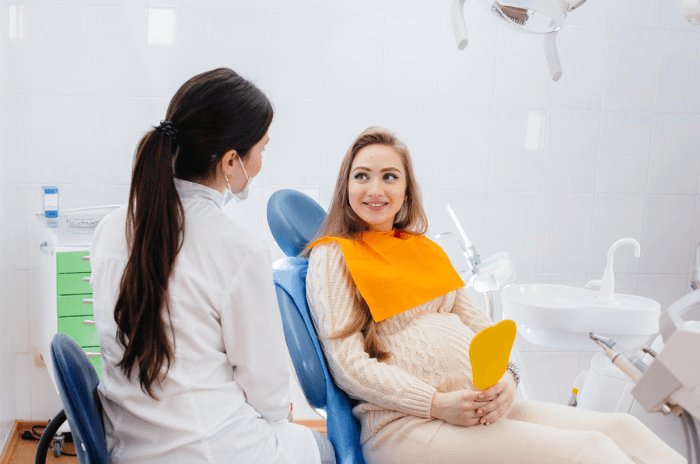
One of the biggest myths surrounding pregnancy is that dental treatment should be avoided altogether. In reality, the opposite is true.
Routine dental care is not only considered safe for most pregnant women, but it's also encouraged. Letting your dentist know you're pregnant allows them to tailor your care, answer any questions you may have, and recommend the most appropriate treatment if it's needed.
Many women find the second trimester the most comfortable time for routine appointments, but if you're experiencing pain, swelling, or signs of an infection, it's important not to delay treatment simply because you're pregnant. Untreated dental problems can become much more uncomfortable than the treatment itself.
Looking after your oral health during pregnancy isn't about adding another task to an already long to-do list. It's about making sure you stay as healthy and comfortable as possible while your body is doing something extraordinary.
Prevention Is One of the Best Gifts You Can Give Yourself
Pregnancy comes with enough appointments already. Adding another one to the calendar may not sound particularly appealing, especially when life is already busy. But when it comes to oral health, prevention is almost always easier than treatment.
Brushing twice a day, flossing regularly, eating a balanced diet, and visiting the dentist for routine check-ups can help reduce the risk of many common dental problems during pregnancy. Combined with professional preventive dentistry, these simple habits are among the easiest ways to protect your teeth and gums throughout pregnancy.
Routine dental visits aren't just about finding cavities. They can also identify early signs of gum disease, enamel wear, or other concerns before they become more difficult to manage.
They also give you the opportunity to ask questions about changes you've noticed and receive personalised advice that's relevant to your pregnancy. Sometimes, peace of mind is just as valuable as treatment.
Simple Habits That Protect Your Smile During Pregnancy
Looking after your oral health doesn't require a complicated routine. Small, consistent habits are often the most effective.
Brush Twice a Day
Brushing with a fluoride toothpaste morning and night helps remove plaque and reduce the risk of tooth decay and gum disease.
Don't Skip Flossing
Floss reaches the spaces a toothbrush can't, helping remove plaque between teeth where gum problems often begin.
Stay Hydrated
Water supports healthy saliva production, which helps protect teeth by washing away food particles and neutralising acids.
Choose Tooth-Friendly Snacks
Fresh fruit, vegetables, yoghurt, cheese, and nuts are generally kinder to teeth than frequent sugary snacks. If cravings strike, there's no need to feel guilty. Simply try to enjoy treats in moderation and return to your usual routine afterwards.
Be Kind to Yourself After Morning Sickness
If you've been sick, rinse your mouth with water first and wait about 30 minutes before brushing. Your teeth will thank you for it.
Keep Your Dental Appointments
Even if everything feels fine, routine check-ups can help identify small concerns before they become bigger ones.
Looking After Yourself Also Means Looking After Your Smile

Pregnancy can feel like a never-ending list of things to remember.
Prenatal vitamins.
Hospital appointments.
Baby clothes.
Car seats.
It's understandable that oral health doesn't always feel like the highest priority. But looking after your teeth and gums isn't another box to tick - it's part of looking after yourself.
The healthier and more comfortable you feel during pregnancy, the more energy you have to focus on everything else that's happening around you.
Small acts of care matter. Not because they make pregnancy perfect, but because they help make it a little easier.
A Healthy Pregnancy Includes a Healthy Smile
Pregnancy is filled with change, and not all of it is obvious. Your teeth and gums are just one more part of your body adapting to an incredible journey.
The good news is that most pregnancy-related oral health concerns can be managed with simple daily habits, regular dental care, and knowing when to ask for professional advice.
Among the excitement of preparing for a new arrival, don't forget to look after yourself too. Because caring for your smile is another way of caring for both you and your growing baby.
ABOUT OUR CONTRIBUTOR:
This article was created in collaboration with the team at MGA Dental, an Australian dental practice committed to helping patients make informed decisions about their oral health. With a strong focus on patient education and preventive dentistry, the team shares practical advice to help people maintain healthy smiles through every stage of life, including pregnancy.