
Your body performs wonders during pregnancy. With so many amazing changes, discomforts may occur. Vein problems are common, but know that you’re not alone and relief is possible. Explore how to give your circulatory system extra TLC.
How Pregnancy Affects Vein Health
As your pregnancy progresses, your heart works harder, pumping up to 30% to 50% more blood than usual during the third trimester. This is because your heart gets slightly bigger and beats faster to support you and your growing baby.
When this happens, blood vessels in the legs may swell. This condition, known as varicose veins, is fairly common, affecting one in three pregnant women. These enlarged, blueish veins look alarming and can cause symptoms like aching, itching or restless legs. The symptoms often resolve on their own, but your doctor may recommend ultrasound-guided sclerotherapy to avoid further damage.
Pregnant women may also experience spider veins — threadlike veins that show through the skin. They mostly appear on the thighs, legs and ankles, where your circulatory system works hard against gravity and travels the farthest distance to transport blood to your heart. While visible through the skin, they don’t make the skin swell like varicose veins do.
The good news is that these symptoms are common during pregnancy. Of course, if you have any discomfort, talk to your health care provider.

Risk Factors for Varicose Veins in Expectant Mothers
Certain factors can make you more vulnerable to varicose veins, including:
- Advancing gestational week: Your risk of varicose veins increases as pregnancy progresses, especially in the second and third trimesters.
- Thyroid diseases: Thyroid imbalances can affect your circulatory system, potentially contributing to vein problems. If you have a preexisting thyroid condition, it’s something your doctor must monitor closely.
- Smoking during pregnancy: Smoking while pregnant is generally discouraged for numerous health reasons affecting you and your growing baby. Cigarettes can cause circulatory tissue damage, narrow blood vessels, and increase plaque, making you more prone to swelling.
- Family history: If your mother, grandmother or other immediate family members used to or have existing varicose veins, you are more likely to develop them too.
- Higher body mass index (BMI): Carrying extra weight can put additional pressure on your circulatory system. When pregnancy adds further strain, it can increase the likelihood of developing varicose veins.
Tips for Keeping Veins Healthy During Pregnancy
There’s no surefire way to prevent varicose veins, as they are often hereditary. However, it is possible to reduce their impact.
1. Wear Maternity Compression Stockings
Compression stockings add pressure to encourage proper circulation. Your physician may suggest wearing them daily and removing them before bed to improve blood flow as you sleep.
2. Get Daily Low-Impact Exercise
Take walking breaks after prolonged sitting or standing. Exercising makes the lower leg muscles contract, helping blood return toward the heart. Even short, frequent walks can make a difference. If you’re sitting, do foot pumps and ankle circles to keep your blood flowing.
3. Sleep on Your Left Side
Although it may be challenging, sleeping on your left side can help relieve pressure on the vena cava, the vein that carries blood to the heart, located on the right side of your sternum. This sleeping position can also reduce the risk of heartburn, a burning pain in the chest that you may feel after eating or at night.
4. Stay Hydrated
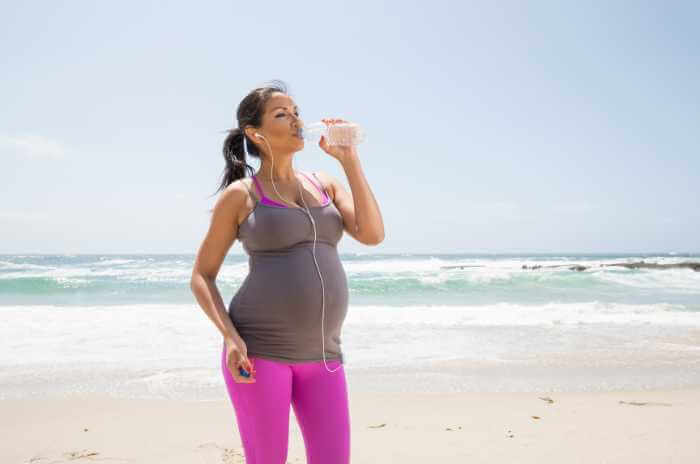
Your heart needs enough water to function properly. Drink plenty of fluids to prevent swelling, dizziness, fatigue and headache. Always carry a reusable water bottle with you and sip on it throughout the day. You can enhance plain water with fruit slices or herbs.
5. Elevate Your Legs
Lifting your legs above your heart can prevent swelling and relieve other discomforts. Aim to elevate your legs three or four times daily, including one before bed. Use a stack of pillows or cushions so you feel comfortable.

Boost Your Vein Health
Your pregnant body is working wonders, but some factors can affect your vein health. Luckily, these symptoms are common and treatable. Follow these recommendations, listen to your body and, most importantly, be kind to yourself.
ABOUT OUR CONTRIBUTOR:
Mia Barnes is a professional freelance writer and the Editor-in-Chief of Body+Mind. She has over 5+ years of experience researching and writing about family health and postpartum wellness. When she isn't writing, you can find Mia walking her dog or trying new recipes.